Applications · 7 min read
How to Choose the Right Material for Wayfinding and Directional Signage
Wayfinding is usually the largest graphics package in a building, and the one specified last. A short order of decisions.
October 20, 2026
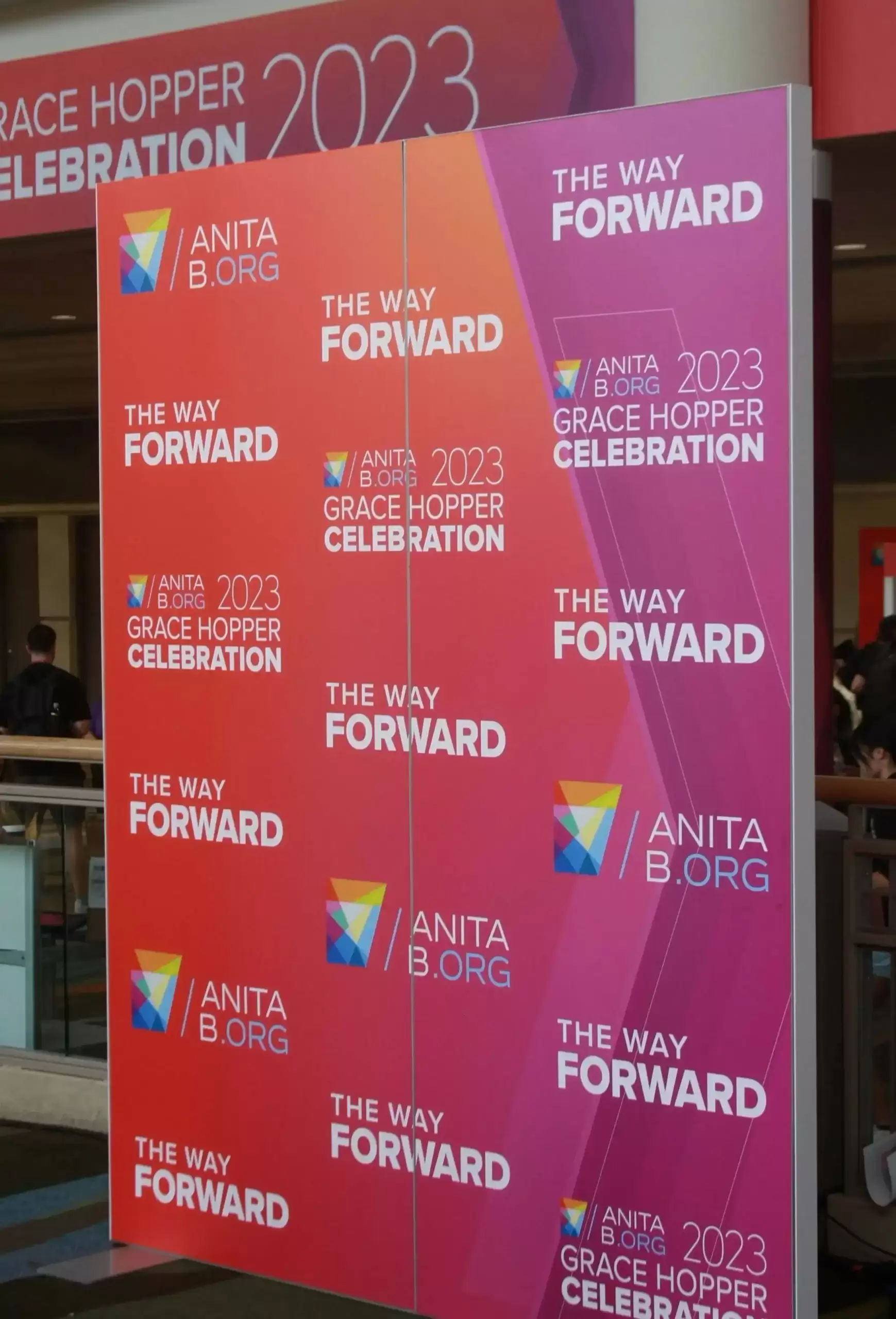
Wayfinding is the only signage where success is measured by something other than looking good: people find the room. That single fact should drive the material choice, and it often does not.
Legibility comes before everything
- Control glare. A glossy panel under a downlight is unreadable at exactly the height people read it from. Choose a surface that scatters rather than mirrors.
- Hold crisp edges on type. Directional signage is mostly small text and arrows; a substrate that softens fine detail undermines the whole scheme.
- Keep contrast high and consistent across every panel in the building, which means colour consistency between print batches matters.
Then match the material to the position
- Panels and plates — rigid display board, mounted to walls, posts and ceilings. It holds a hard edge and stands on its own.
- Zone graphics and supergraphics — wallcovering, where a whole wall carries a floor colour, a department name or a large numeral.
- Temporary and phased routes — peel-and-stick, for construction phasing, decanting and reorganisations, because it comes off cleanly when the route changes.
- Lightboxes — backlit fabric, where a sign has to read in a dim concourse or after hours.
Then plan for the building's real life
Wayfinding lives for years and gets handled.
- Cleaning: specify a surface the facilities team's own method will not degrade.
- Contact: corridors, lift lobbies and stair cores are the hardest-worked surfaces in the building.
- Change: floors get renamed and departments move. Design so one panel can be replaced without redoing the scheme, and keep a record of the exact substrate used.
- Compliance: accessibility requirements affect size, contrast, height and, for some elements, tactile provision. Confirm these per project with your regulations, not from a materials sheet.
And check the construction
If your organisation has a PVC-free policy, apply it here too — wayfinding is often the largest single graphics package in a building. Ask whether each material is PVC-free through the face, the coating and the backing.
A short specification order
- Legibility and glare.
- Position and mounting method.
- Cleaning and contact expectations.
- Replaceability over the building's life.
- Construction and policy compliance.
We manufacture PVC-free display board and signage media, wallcovering, poster media and fabric — the whole range a wayfinding package usually draws on — and we do not print or install, so your existing partners keep the work.
To specify with samples in hand: request samples, or book a virtual demo and bring your signage contractor.